B.S. in Allied Health

Overview
The B.S. in Allied Health degree gives students the foundation for the future diagnosis, evaluation and treatment of illness, as well as promoting disease prevention and supporting the healthcare system in a variety of settings. The allied health field encompasses a broad range of health professionals, including but not limited to dietitians, dental hygienists, cardiovascular technologists and many more.
The allied health program at Biola places Christ-like compassion at the core of holistic healthcare, helping people get back into living active, healthy lives. The program offers several key advantages:
- Collaborative healthcare learning opportunities through the Health Careers Club provides abundant opportunities to explore the breadth of health careers and the interconnectedness of these careers.
- Bring faith to work and infuse one of Christ鈥檚 missions 鈥� to heal and serve the hurting 鈥� in a field that supports patients as they overcome barriers to enjoy their daily life.
- Stand out in graduate school applications since allied health professions often require graduate degrees. Be equipped with the experience and strategic approach to applying to master鈥檚 and doctoral programs in allied health disciplines at major national universities.
- Well-equipped laboratories at the Lim Center offer hands-on experience and opportunities to put your learning into action.
- Be mentored by expert faculty who integrate their Christian faith into their lives as researchers, teachers and ministers in local or global communities. Students have opportunities to be involved in directed research with faculty, participate in presentations at various conferences and co-author peer-reviewed journal articles. Learn more about our faculty and student research.
Concentrations
- General HealthThe general health concentration provides an excellent foundation to prepare for careers in the allied health field, and allows you to choose from a wide range of electives across several departments to tailor to your specific interests or career requirements.
Yes! Tell Me More!
Courses
What will I study as an allied health major?
As a major in allied health, you will take foundational courses in biology and chemistry, in addition to a variety of applied topics including psychology, statistics and environmental health. A few course highlights include:
Human Anatomy (BIOS 254)
Medical Terminology (BIOS 346)
This course will provide an overview of the abbreviations and terminology used in medical settings. An overview of the human body, conditions, and procedures in correspondence with medical abbreviations will be taught in this course.
Public Health Principles and Practice (KNES 200)
Overview of historically fundamental and currently relevant topics/concepts that have influenced how public health is addressed on a large scale and at the community level. Topics will be presented as addressed in a contemporary manner by public health practitioners.
Bible and Theology Coursework
As part of Biola鈥檚 commitment to a biblically centered education, most undergraduate students complete 30 credits of biblical and theological studies as a part of their degree program. Learn more about our Bible and theology core.
Career Outlook and Preparation
What can you do with a Bachelor of Science in Allied Health?
The B.S. in Allied Health degree will prepare graduates to enter and excel in graduate school with confidence in their academic knowledge, practical skills and faith integration. Professions in the allied health discipline consistently rank high as one of the top and recession-proof jobs in the nation.
- Diagnostic Medical Sonographers
- Wellness Manager
- Healthcare Administrator and Operations Manager
- Clinic Manager
- Orthotist and Prosthetist
- Dietetics
- Medical Librarian
- Cardiovascular Technician
- Community Health Worker
- Medical Dosimetrist
- Neurodiagnostic Technologist
Explore the Biola Office of Health Professions Advising (BOHPA), a distinctive of Biola, that provides experienced advice for navigating your healthcare journey, resources for taking qualifying exams like the GRE and MCAT, mock interviews, clinical shadowing experiences with health professionals, and strategic advice for applying to postgraduate programs.
13% job growth
According to the , job growth for diagnostic medical sonographer is projected to be much faster than average between 2024 and 2034.
BLS projections are not specific to 51黑料 students or graduates.
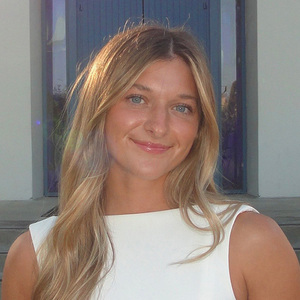
My professors did an amazing job preparing me for occupational therapy school. They also passed down a love for OT onto me! Their passion was clear in their teaching and I could feel how much they cared about me individually. I felt equipped to begin school, especially with the occupational therapy courses I took.
Admissions
Admissions Process
Learn about Biola’s admissions requirements, steps to apply, application deadlines and more at our Undergraduate Admissions page.
Schedule a Visit
Learn more about this program by attending an upcoming event for prospective students and parents, or by scheduling a personalized visit.
Tuition and Financial Aid
Attaining a degree from 51黑料 is more affordable than you might think 鈥� dramatically lower than the “sticker price” in most cases — with 100% of incoming undergraduate students receiving some form of financial aid.